
Key Takeaways
- Patella instability occurs when the kneecap does not stay properly aligned in the knee joint, leading to pain, swelling, and a feeling of instability.
- Recurrent kneecap dislocations or a “giving way” sensation are common warning signs that should not be ignored.
- Certain anatomical factors, injuries, and activity demands can increase the risk of developing instability in the knee joint.
- Knee specialists diagnose patellar instability through a detailed exam and imaging to understand the cause and severity.
- Treatment options range from bracing and physical therapy to surgical stabilization when instability is persistent.
- Dr. Michael Rytel is a board-certified orthopedic and sports medicine specialist providing expert care for patellar instability and knee conditions in the Pittsburgh area. Schedule an appointment to have your knee evaluated and protect your long-term joint health.
Understanding Patella Instability and the Knee Joint
The patella, or kneecap, plays a critical role in knee movement by helping the quadriceps muscles extend the leg. It normally glides smoothly within a groove at the front of the thigh bone. When this tracking is disrupted, the kneecap can shift partially or completely out of place, resulting in patella instability.
Instability of the knee joint can make everyday movements feel unpredictable and unsafe. Without proper treatment, patellar instability can lead to cartilage damage, chronic pain, and recurring dislocations over time.
Common Symptoms of Patella Instability
Patellar instability symptoms can vary in severity, but many patients notice a combination of pain, swelling, and mechanical issues. Recognizing these signs early is essential for preventing further damage.
1. Recurrent Kneecap Dislocations
One of the clearest signs of patella instability is repeated kneecap dislocations. Some patients experience full dislocations, while others notice partial shifts where the kneecap briefly moves out of place and then returns.
2. A “Giving Way” Sensation
Many patients describe a sudden feeling that the knee may buckle or give out, especially during activities like walking on uneven ground, changing direction, or climbing stairs. This sensation often indicates knee joint instability.
3. Knee Pain at the Front of the Joint
Pain around or behind the kneecap is a common complaint. Discomfort may worsen with activities that place stress on the knee, such as squatting, running, or prolonged sitting.
4. Swelling After Activity
Swelling can occur after activity due to joint irritation. Repeated episodes of instability may lead to inflammation and joint effusion.
5. Difficulty With Stairs or Inclines
Patella instability often becomes more noticeable when walking up or down stairs, hills, or ramps, where the kneecap must remain well-aligned under load.
6. Reduced Confidence in Knee Stability
Even when pain is mild, many patients feel hesitant to trust their knee during movement. This lack of confidence can limit activity and increase the risk of further injury.
What Causes Instability in the Knee?
Patellar instability is often the result of multiple contributing factors rather than a single cause. Understanding these risk factors helps guide effective treatment.
Risk Factors for Patellar Instability
- Previous kneecap dislocation
- Shallow or uneven patellar groove
- Ligament laxity or weakness
- Muscle imbalance around the knee
- High-impact or pivoting sports
- Trauma or sudden twisting injuries
Certain soft tissue injuries and ligament problems can also contribute to knee instability by altering normal joint mechanics.
How Knee Specialists Diagnose Patellar Instability
Accurate diagnosis is essential for effective patellar instability treatment. Dr. Michael Rytel uses a comprehensive approach to determine why the kneecap is unstable and how best to address it.
Diagnostic Techniques Include:
- Detailed medical history: Understanding prior injuries, dislocations, and symptoms
- Physical examination: Assessing kneecap tracking, joint alignment, and ligament stability
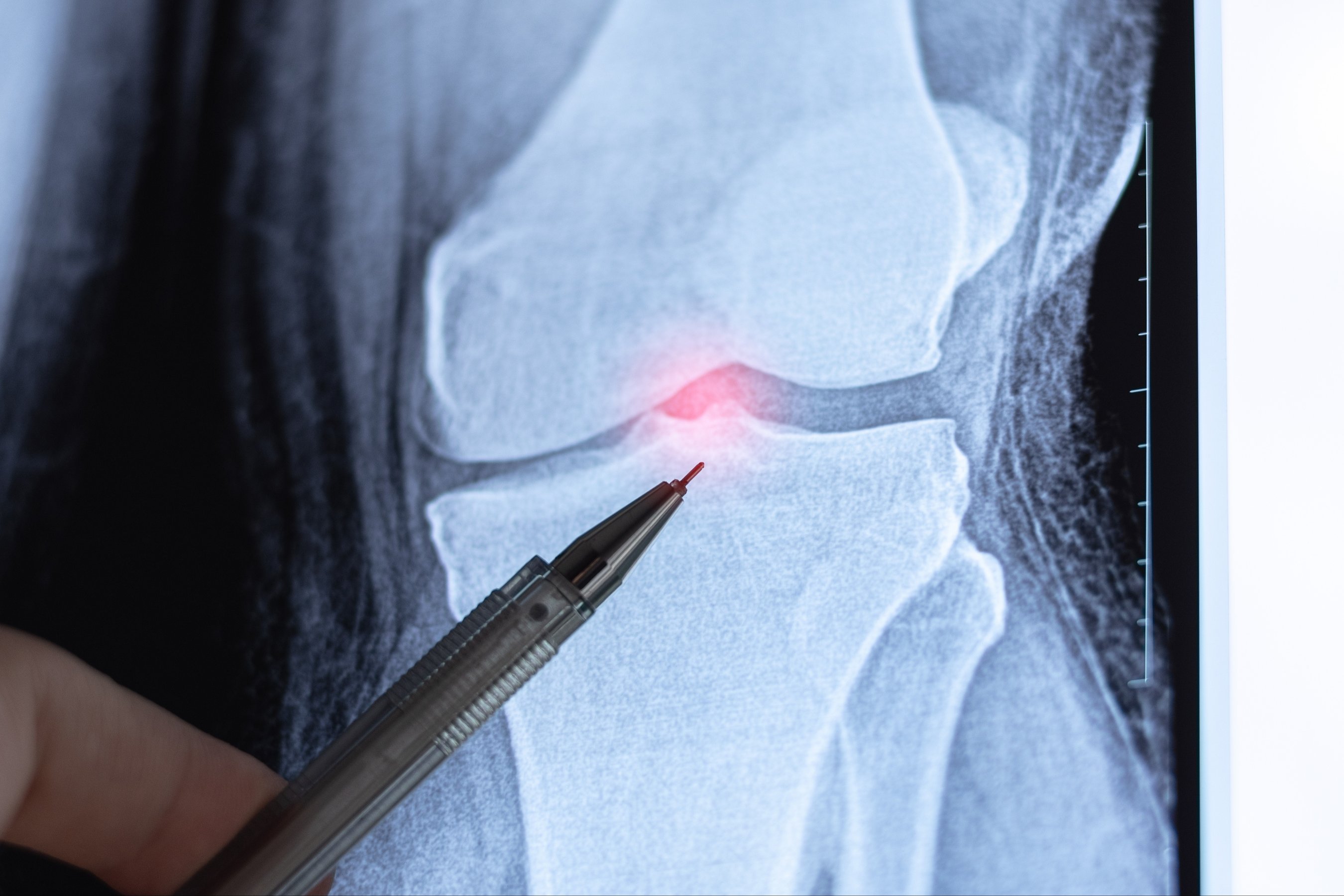
- Imaging studies: X-rays or MRI scans to evaluate bone structure, cartilage, and soft tissues
This thorough evaluation allows the treatment plan to address both the symptoms and the underlying cause of instability.
Treatment Options for Patella Instability
Treatment for patellar instability depends on the severity of symptoms, frequency of dislocations, and the patient’s activity level. Dr. Michael Rytel focuses on individualized care to restore stability and protect knee health.
Non-Surgical Treatment Options
Many patients improve with non-surgical care, especially after a first-time dislocation or mild instability.
Bracing and Activity Modification
Knee braces can help guide proper kneecap tracking and reduce the risk of further dislocations. Temporary activity modification allows irritated tissues to heal.
Physical Therapy
Physical therapy plays a central role in treating patellar instability. Therapy focuses on:
- Strengthening the quadriceps and hip muscles
- Improving knee alignment and control
- Enhancing balance and joint stability
Consistent therapy can significantly reduce episodes of instability and improve confidence in knee movement.
| Non-Surgical Care | Primary Goal |
|---|---|
| Bracing | Support kneecap alignment |
| Physical therapy | Improve strength and stability |
| Activity modification | Reduce stress on the knee |
When Surgery Is Considered
Surgery may be recommended when patella instability persists despite appropriate non-surgical treatment or when dislocations are frequent and severe. Surgical treatment focuses on stabilizing the kneecap and correcting structural issues contributing to instability.
Minimally invasive knee arthroscopy may be used to assess and treat associated cartilage or soft tissue damage. Surgical stabilization is carefully considered and tailored to the individual’s anatomy and goals.
Long-Term Outlook for Patellar Instability
With early diagnosis and proper treatment, many patients regain stability and return to normal activities. Delaying care, however, increases the risk of repeated dislocations, cartilage injury, and long-term knee pain.
A structured rehabilitation program following treatment is essential for restoring strength, mobility, and confidence in the knee.
Protect Your Knee Stability With Expert Care
Patella instability can make even simple movements feel uncertain and painful. Identifying the warning signs early allows for more effective treatment and better long-term outcomes.
Dr. Michael Rytel provides comprehensive evaluation and treatment for patellar instability, combining advanced diagnostic techniques with personalized care plans to restore knee stability and function. Schedule an appointment with Dr. Michael Rytel today to receive expert care for patellar instability and take control of your knee health.
Frequently Asked Questions
What are the most common patellar instability symptoms?
Common symptoms include kneecap dislocations, knee pain, swelling, and a feeling that the knee may give way during activity.
What causes patella instability?
Patellar instability is often caused by anatomical factors, previous injuries, muscle imbalances, or trauma that affects kneecap alignment.
How is patellar instability diagnosed?
Diagnosis involves a physical exam, medical history review, and imaging such as X-rays or MRI scans to evaluate joint alignment and soft tissues.
Can patella instability be treated without surgery?
Yes. Many patients improve with bracing and physical therapy, especially when instability is identified early.
When should I see a knee specialist for instability in my knee?
If your knee feels unstable, repeatedly dislocates, or interferes with daily activities, it’s important to see a knee specialist for evaluation.
