
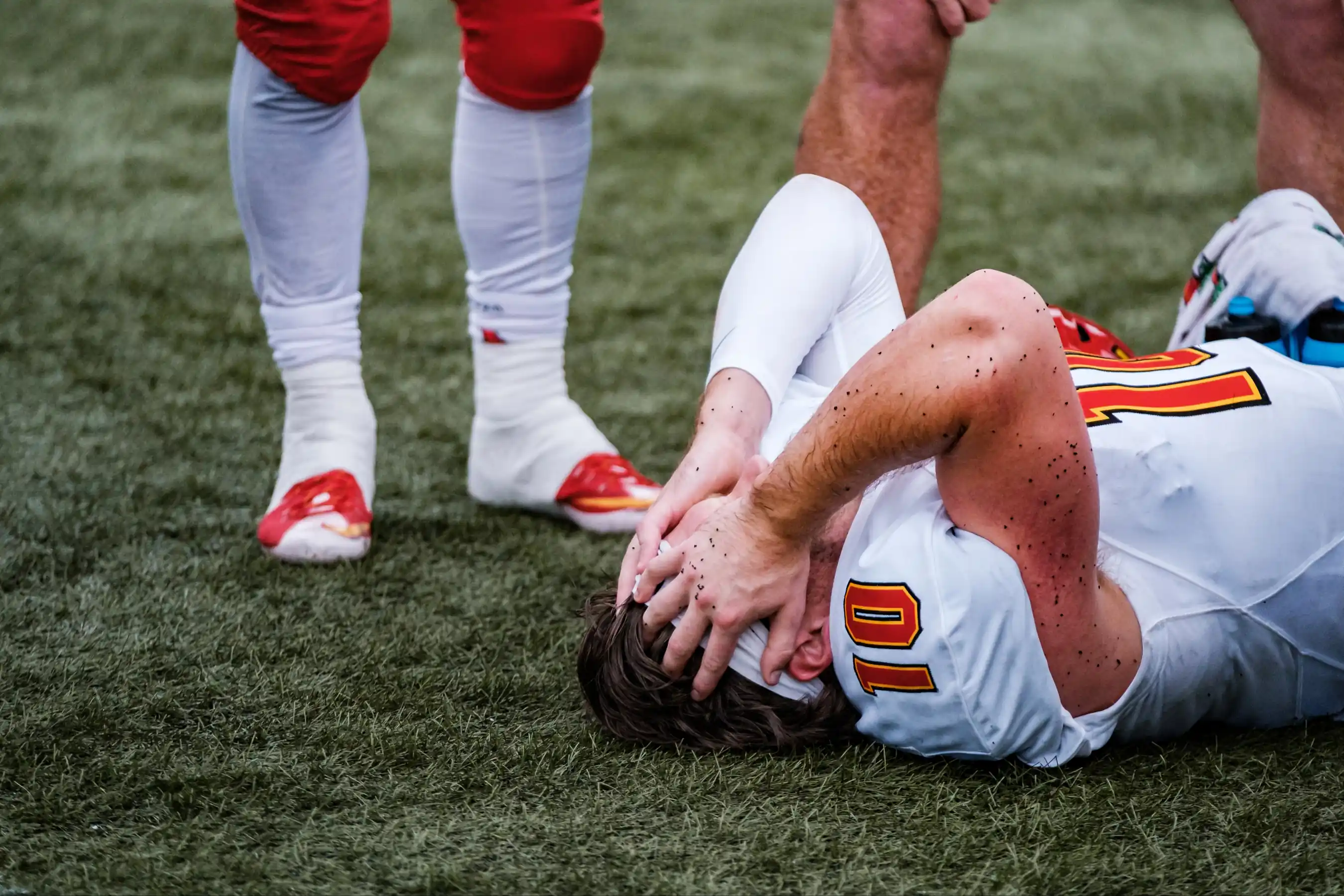
Key Takeaways
- Any player with a possible concussion should leave the game and stay out of play for the rest of that day.
- Playoff games raise the pressure to stay in after a hard hit, so coaches and parents need to speak up for the player.
- A basic concussion protocol has simple steps: remove the player, check for danger signs, tell parents, and get a medical evaluation.
- Returning to football is a gradual, multi-step process that can take a week or more and needs a health care provider's approval.
- A player who returns too early can be at higher risk for another concussion, and a past concussion already raises that risk.
- Dr. Michael Rytel is a board-certified orthopedic and sports medicine specialist who treats high school, college, and adult athletes in Brackenridge and Shadyside, and families can request an appointment with Dr. Rytel for concussion care and return-to-play guidance.
Why Playoff Football Raises the Pressure to Play Through a Head Injury
Playoff games carry high stakes. Players want to help their team, and coaches and parents want to see them on the field. That pressure can make it harder for an athlete to admit that something feels wrong.
A concussion is a mild brain injury that changes how the brain works. Staying in the game with symptoms puts a player at risk. Mayo Clinic notes that a previous concussion increases the risk of having another one.
What a Sideline Concussion Protocol Looks Like
A concussion protocol is a set of steps that tells coaches, trainers, and parents what to do after a hit. The Centers for Disease Control and Prevention (CDC) lists these signs in school-aged athletes, as described on its signs and symptoms page:
- Looking dazed, stunned, or confused
- Trouble remembering or concentrating
- Answering questions more slowly than usual
- Seeming clumsy or unsteady
- Vomiting soon after the hit
- Sudden changes in mood, behavior, or reaction time
If any of these signs appear, follow these steps:
- Remove the player from the game right away.
- Check for emergency danger signs, such as a seizure, repeated vomiting, or a headache that keeps getting worse. Call 911 if they appear.
- Tell the player's parents or guardians about the possible concussion.
- Keep the player out of play for the rest of the day.
- Arrange a medical evaluation within the first day or two.
How Coaches and Parents Can Advocate for Player Safety
- Remind players that reporting symptoms is a sign of strength, not weakness.
- Use one clear rule: when in doubt, sit the player out.
- Never judge how serious a hit is by how the player looks on the sideline.
- Ask for written clearance from a health care provider before any return to practice.
- Keep watching the player at home, since symptoms can appear hours or days later.
What a Safe Return-to-Play Timeline Looks Like
The CDC explains that returning to sports after a concussion is a multi-step process that can take a week or more. A player should have approval from a health care provider before returning to practice. The general path looks like this.
| Stage | What It Looks Like | Key Point |
|---|---|---|
| First 1 to 2 days | Rest, limited screen time, and close watching | Light walking is fine if symptoms do not get worse |
| Back to school and daily life | Returning to class and regular routines | Players should be back to normal non-sports activities before finishing the sports steps |
| Gradual return to sports | Slowly adding activity, step by step, under provider guidance | Cannot be rushed into one day |
| Full return to games | Playing again after the provider clears the player | Requires approval and no returning symptoms |
Most children and teens feel better within two to four weeks, but every player recovers differently. A player should never be pushed to match a set schedule.
When to See a Sports Medicine Doctor in Western PA
An evaluation is a good idea after any hit that causes symptoms. It is especially important when a player wants to know if it is safe to return for the next playoff game.
Dr. Rytel's sports medicine care includes concussion treatment. His two office locations in Brackenridge and Shadyside serve athletes across the Pittsburgh area.
Protect Your Player Before the Next Playoff Game
Playoff pressure should never outweigh a player's brain health. A clear protocol, a medical evaluation, and a slow return to play give young athletes the safest path back to the field.
If your player took a hard hit, request an appointment with Dr. Rytel at Rytel Sports Medicine for sports concussion evaluation and return-to-play guidance. You can also call (412) 661-5500.
Frequently Asked Questions
What is a concussion protocol in football?
A concussion protocol is a set of steps used after a possible head injury. It includes removing the player, checking for danger signs, informing parents, and getting medical clearance before returning.
Can a football player return to the game on the same day as a concussion?
No. The CDC advises that a player should not return to sports on the same day a concussion occurs. The player should stay out until a health care provider approves.
How long before a player can return to football after a concussion?
It depends on the player. The CDC says the return-to-sports process can take a week or more once a provider approves it, and symptoms must be gone first.
Where can I find a concussion doctor in Pittsburgh?
Dr. Rytel treats athletes at Rytel Sports Medicine in Brackenridge and Shadyside. Call (412) 661-5500 or request an appointment online.
